Designing Render Frequency for Smarter Mobile Power Management

Designing Render Frequency for Smarter Mobile Power Management

A game that runs at 120 frames per second may look impressive, but that number can come with a cost. Higher rendering rates can increase CPU and GPU activity, display power use, heat, and battery drain, especially during long mobile sessions. Designing Render Frequency means choosing how often a game produces new frames based on … Read more
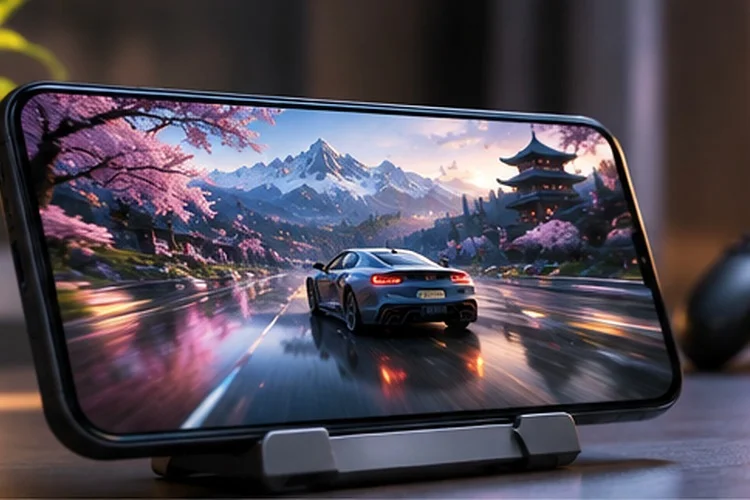

Designing Frame Budgets for Smooth Gaming Across Mobile Refresh Rates

Designing Frame Budgets for Smooth Gaming Across Mobile Refresh Rates

A mobile game can look buttery smooth on one phone and strangely jumpy on another, even when both report decent FPS. The culprit is often timing rather than raw graphics power. Modern screens may refresh at 60Hz, 90Hz, or 120Hz, and some switch rates while the game is running. Designing Frame Budgets means giving every … Read more

How Variable Refresh Rate Reshapes Android Game Frame Delivery

How Variable Refresh Rate Reshapes Android Game Frame Delivery

For years, mobile game rendering was relatively easy to describe: target 30 or 60 FPS and try to deliver every frame on time. Modern Android displays make that strategy more complicated-and more interesting. Understanding How Variable Refresh Rate affects frame delivery means thinking about refresh timing, presentation cadence, power usage, and frame pacing together. Phones … Read more